Manufacturing
You Have The Data.
Your Sales Team Just Can’t See It.
Your ERP shows what’s already happened. But with contracts running, accounts shifting, and pipeline moving, your forecast is being built on gaps. And most teams don’t see them until it’s too late.




The Commercial Visibility Problem
For many mid-sized manufacturers, sales data lives in too many places.
ERP holds the transactional data. Spreadsheets reconcile it between systems. Reps manage their own version of reality. Over time, it becomes harder to get a clear view of what’s actually happening across accounts.
That shows up in a few ways:
Churn risk only visible when it’s too late to act
Contract drawdown hard to track until renewal
Cross sell and upsell opportunities that surface too late
Deals missed because no one saw them coming
ERP data three months behind reality
At leadership level, the question becomes simple - Can we actually rely on this number, or are we already behind?
The issue isn’t a lack of data. It’s a lack of clarity
The Commercial Visibility Problem
For many mid-sized manufacturers, sales data lives in too many places.
ERP holds the transactional data. Spreadsheets reconcile it between systems. Reps manage their own version of reality. Over time, it becomes harder to get a clear view of what’s actually happening across accounts.
That shows up in a few ways:
Churn risk only visible when it’s too late to act
Contract drawdown hard to track until renewal
Cross sell and upsell opportunities that surface too late
Deals missed because no one saw them coming
ERP data three months behind reality
At leadership level, the question becomes simple - Can we actually rely on this number, or are we already behind?
The issue isn’t a lack of data. It’s a lack of clarity
When Visibility Breaks Down, Performance Follows.
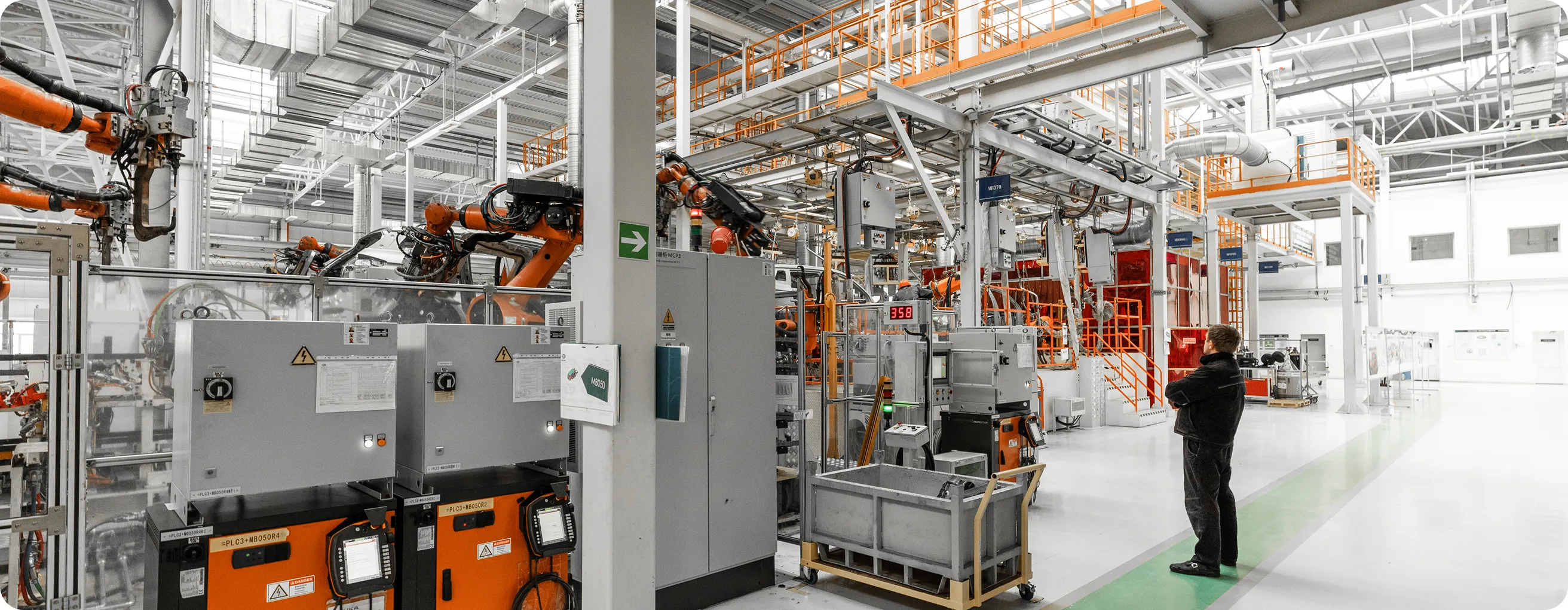
Your CRM should reflect how manufacturing sales actually works.
That means understanding contracts over time, not just deals at a single point. It means tracking account development, expected demand, and where revenue is likely to come from next. Built properly, your team isn’t guessing. They’re working from clear, reliable insight.
Without the right system, your team is exposed to:
Poor decisions driven by unreliable pipeline data
Missed revenue opportunities hidden across accounts
Late and costly surprises at quarter end
Limited visibility and control over account growth
Your CRM should reflect how manufacturing sales actually works.
That means understanding contracts over time, not just deals at a single point. It means tracking account development, expected demand, and where revenue is likely to come from next. Built properly, your team isn’t guessing. They’re working from clear, reliable insight.
Without the right system, your team is exposed to:
Poor decisions driven by unreliable pipeline data
Missed revenue opportunities hidden across accounts
Late and costly surprises at quarter end
Limited visibility and control over account growth
Your Data Structured For Visibility

Connect The Commercial Data
Connect the key data points across ERP, pipeline activity, and customer insight, removing the gaps that sit between systems today.

Structure the Sales Process
A CRM structured around how your sales team actually works, with built-in prompts that surface opportunities and optimise value across every transaction.

Create Commercial Visibility
Leadership gets a clear view of future revenue, not just what has already landed, but what is likely to happen next.

Verplas
Giving Leadership Real Visibility Into Upcoming Revenue
Verplas had grown to a point where its existing setup no longer gave the team enough visibility into customer activity, case handling, or wider performance trends. Customer and operational data existed, but it was difficult to use in a way that helped the business spot patterns, respond proactively, or scale efficiently. Without a clearer reporting layer, it was harder to understand behaviour, reduce service risk, and make confident decisions as the business grew. Provident CRM worked with Verplas to redesign its CRM setup around how the team actually worked, giving them a clearer view of customer interactions, service activity, and reporting. The result was a more joined-up system that improved visibility, supported better decision-making, and helped the business respond faster and more consistently as demand increased.
Verplas
Giving Leadership Real Visibility Into Upcoming Revenue
Verplas had grown to a point where its existing setup no longer gave the team enough visibility into customer activity, case handling, or wider performance trends. Customer and operational data existed, but it was difficult to use in a way that helped the business spot patterns, respond proactively, or scale efficiently. Without a clearer reporting layer, it was harder to understand behaviour, reduce service risk, and make confident decisions as the business grew. Provident CRM worked with Verplas to redesign its CRM setup around how the team actually worked, giving them a clearer view of customer interactions, service activity, and reporting. The result was a more joined-up system that improved visibility, supported better decision-making, and helped the business respond faster and more consistently as demand increased.


“We were able to look at trends and see where our biggest pain points are. It now gives us better visibility on how we can improve the business.”
Sarah Lathbury
Commercial Manager, Verplas
“We were able to look at trends and see where our biggest pain points are. It now gives us better visibility on how we can improve the business.”
Sarah Lathbury
Commercial Manager, Verplas

Where This Works Best
This works best for organisations where the ERP holds the data, but the sales team can’t access it when it actually matters.
Typically, that includes:
ERP in place but limited commercial visibility and a forecast you can’t fully trust
Long-term or repeat customer relationships
Customer and pipeline data distributed across spreadsheets, inboxes, and shared drives
Where This Works Best
This works best for organisations where the ERP holds the data, but the sales team can’t access it when it actually matters.
Typically, that includes:
ERP in place but limited commercial visibility and a forecast you can’t fully trust
Long-term or repeat customer relationships
Customer and pipeline data distributed across spreadsheets, inboxes, and shared drives

Manufacturing Forecast Clarity Review
We’ll look at how your current pipeline reflects real customer activity, where gaps exist, and how forecasting can be made more reliable.
How your current sales pipeline is structured
Where visibility gaps exist
How forecasting confidence can be improved
How to proactively maximise revenue opportunities
Frequently Asked Questions
Do we need to change our ERP ?
Usually not. Most businesses we work with have already invested significantly in their ERP, and it’s doing its job. The problem is that the data stays locked inside, invisible to the people who need it most during customer conversations, account reviews, and pipeline calls. We simply connect what’s already there to where it needs to be in your CRM. If you’re using any ERP system, that’s all we need to get started.
What can I get from my ERP data?
Is a CRM implementation disruptive?
How quickly can we start seeing value?
What data is typically synced between ERP and CRM?
Will my existing data be migrated when I integrate?
What happens if one system goes down — will data be lost?
Can the integration scale as our business grows?
Do we need to change our ERP ?
Usually not. Most businesses we work with have already invested significantly in their ERP, and it’s doing its job. The problem is that the data stays locked inside, invisible to the people who need it most during customer conversations, account reviews, and pipeline calls. We simply connect what’s already there to where it needs to be in your CRM. If you’re using any ERP system, that’s all we need to get started.
What can I get from my ERP data?
Is a CRM implementation disruptive?
How quickly can we start seeing value?
What data is typically synced between ERP and CRM?
Will my existing data be migrated when I integrate?
What happens if one system goes down — will data be lost?
Can the integration scale as our business grows?

Manufacturing Forecast Clarity Review
Share your details – quick and easy.
We’ll reach out – pick a time that suits you.
Join your session – get tailored insights and solutions.
Manufacturing Forecast Clarity Review
Share your details – quick and easy.
We’ll reach out – pick a time that suits you.
Join your session – get tailored insights and solutions.